

MSU Sociology grad student documents climate-driven livelihood vulnerability in coastal Bangladesh
March 3, 2026 - Karessa Weir
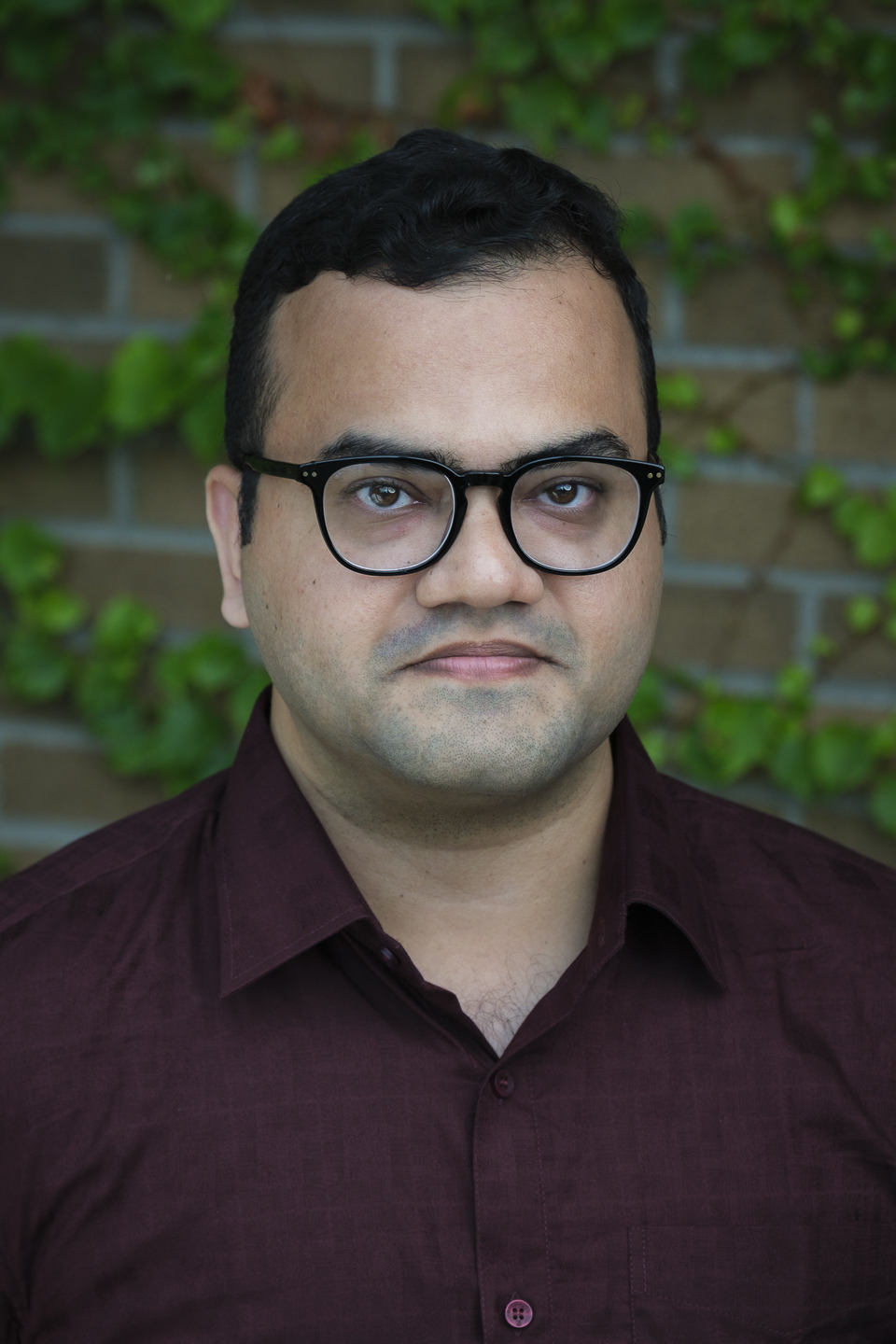 Water scarcity, health challenges and livelihood instability are already constant stressors for the coastal fishing communities in Bangladesh. Add in climate threats and many coastal households are at risk of losing their homes, incomes and even their lives. MSU Sociology first-year grad student Saadmaan Jubayer Khan has documented these threats in a co-authored paper that came out last month in the International Journal of Climate Change Strategies and Management.
“Assessing livelihood vulnerability induced by climatic hazards: a case study on fishermen communities of Shyamnagar, Shatkhira” is the result of a collaboration among a team of students and faculty researchers from Bangladesh University of Professionals and scholars from other institutions.
Khan was one of the academic supervisors for the project which was led by his undergraduate students, Nawshin Jahan Chaity, Tabibul Islam and Prachi Talukder. The students chose to focus on this particular remote community and together they and Khan decided the focus of their research.
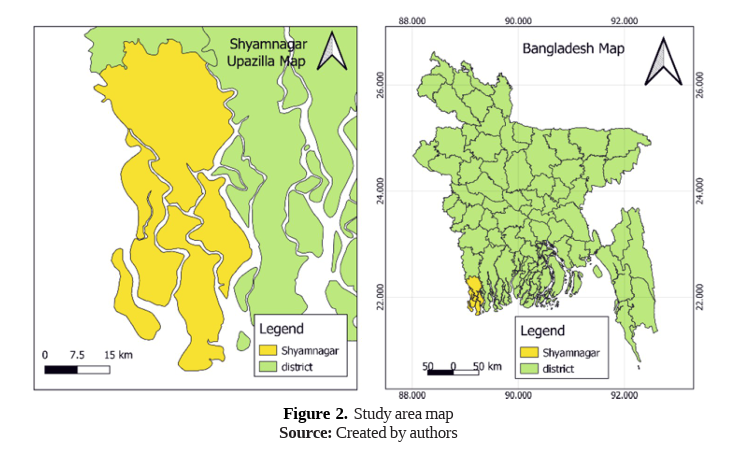
In 2023, they traveled to Shatkhira, the southwestern coastal district of Bangladesh that is susceptible to cyclones, storm surges and salinity intrusion. The team interviewed 219 households in the region. Of those, 207 identified as professional fishermen, while the remaining 12 reported fishing seasonally during the monsoon period.
 “We found out that they are only able to fish between five to seven months of the year,” Khan said, due to restrictions the government has put on fishing to protect the resource from overfishing and the ban against fishing during breeding periods.
When they cannot fish, the fishermen community generally worked as day laborers in brick kilns, shrimp farms or agricultural fields, and some collected resources from Sundarbans, the largest mangrove forest in the world. Women in these jobs often earn significantly less than men. Some of the challenges they face are bouts of ill health, lack of access to medical services and perhaps most surprising, the lack of fresh water.
“We thought it was quite surprising that despite being surrounded by water, around 44 percent of families reported buying water, because local sources are salty or unsafe,” Khan said.
Most hospitals are far from home, and the area is prone to cyclones, erosion, heat waves, droughts and other events. About half of the families said that they had moved their homes at least once to protect their families from climate-related hazards.
“Using the Livelihood Vulnerability Index (LVI), the researchers found the community’s overall vulnerability level is high. That means their current way of life is very much in jeopardy,” he said.
Once you factor in the probable effects of climate change (Climate Vulnerability Index - CVI), the community remains highly vulnerable.
“That means exposure to natural disaster and climate variability was high, and as a result, they are very vulnerable to the existing climate of that specific area,” Khan said. “And it is only increasing their vulnerability due to their economic condition.”
The goal of the project was not only to document the vulnerable situations, but also to highlight possible solutions. The researchers pointed out the need for the residents to diversify their livelihoods, equitable access to government support programs (like ‘Jele Card’ or Fisherman Card), assisting them with access to fresh water, and stronger local climate-adaptation planning.
Before joining academia, Khan worked at an NGO under the climate change and adaptation program. It was in that role that he saw the significant gap between official climate and disaster management initiatives and the lived experiences of vulnerable communities.
“I am intrigued by the sociological aspects of disasters - how the environmental change shapes migration, how communities perceive and respond to risk, and what that means for public health,” Khan said.
His next research project involves the ways social and environmental aspects affect migration patterns across different regions of the world.