MSU Sociology Emeritus Faculty share radical changes in the department over 60 years
December 9, 2025 - Karessa Weir
Photos by Logan Fusciardi, College of Social Science
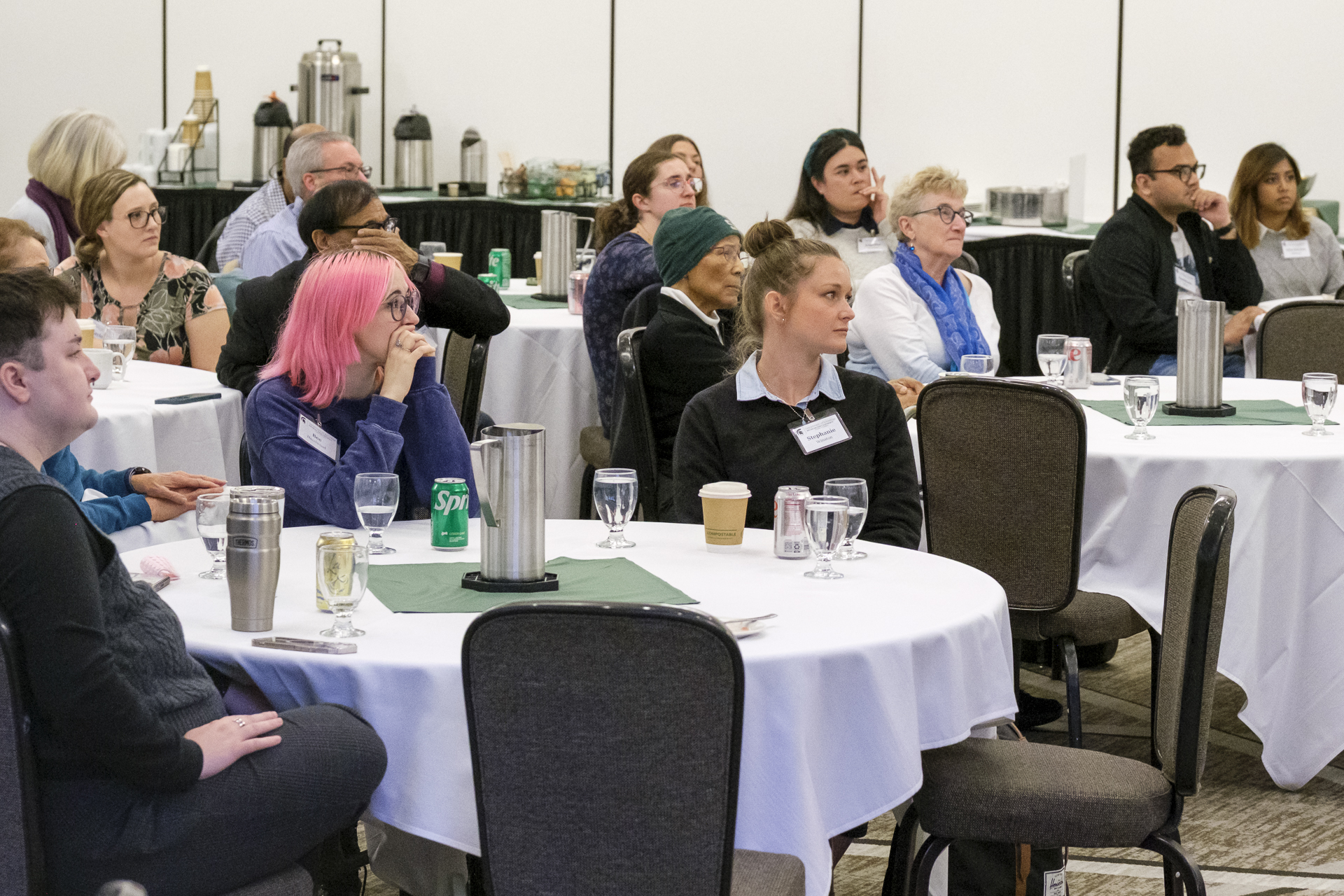
 As part of the centennial anniversary of MSU Sociology Department, three emeritus professors shared their 100 accumulated years of wisdom, lore and lessons with current faculty, students and affiliates.
Professors Emeriti Stan Kaplowitz, Jualynne Dodson and Craig Harris came together to discuss how the Department of Sociology evolved since the 1960s.
“You represent the significance of work conducted in this department over the most recent half of the last century across the areas of environmental and rural sociology, race, gender, class, migration and social movements,” said Sociology Chair Dr. Carla Pfeffer. “As we continue to delve into the sociology of these and other critical aspects of social life, it’s important for us to take time to reflect on the achievements of the past and how they really creep into the foundations of the cutting edge research that we are doing today.”
MSU began offering our first Sociology class in 1906. In 1924, Sociology became its own department. It then merged with Anthropology in 1944 (the same year the College of Social Science was created) until 1964 when it separated into the modern MSU Sociology Department.
Along with the rest of the nation, the 1960s were a time of turmoil for Sociology as faculty debated the direction of the department, said Dr. Kaplowitz.
“The late 1960s and early 1970s had two salient features that affected this Department. One was a great expansion of universities and with it, a great amount of new hiring. The other was the arrival of several more radically oriented sociologists,” Dr. Kaplowitz said.
“In the five years before I arrived, the Department had hired about 6 assistant profs including Ruth Simms Hamilton, who later led the African Diaspora Research project. In the year I arrived (1971), the Department hired three new assistant profs. Aside from me there were Barrie Thorne, a feminist teacher and scholar, and Rick Hill, a Marxist oriented urban sociologist.”
During this time the department focused on the Sociology of Conflict and Change, Work & Organizations, Comparative Sociology, Social Sociology and Rural and Agricultural Sociology.
Other new hires in the 1970s included Dr. Harris as well as emeritus professor and former chair Dr. Chris Vanderpool, Dr. David Wiley, Dr. Nan Johnson and Dr. Vlodomir Shlapentokh. In the 1980s, the faculty expanded to include Drs. Larry Busch, Jan Bokemeier, Cliff Broman and Steve Gold. Also hired in that era were Drs. Rita Gallin, Brendan Mullan and Maxine Baca Zinn.
“These people strengthened this department in the sociology of race, health, gender, family, immigration and the environment,” he said.
“In the first decade of the 21st century, we further strengthened our department in the areas of family health, demography and immigration with Drs. Cathy Liu, Stefanie Nawyn, Carl Taylor, and Zhenmei Zhang. We also strengthened our program in environmental sociology, especially with the addition of Drs. Tom Dietz, Stephen Gasteyer, Aaron McCright, Xuefei Ren and Toby ten Eyck,” Dr. Kaplowitz said.
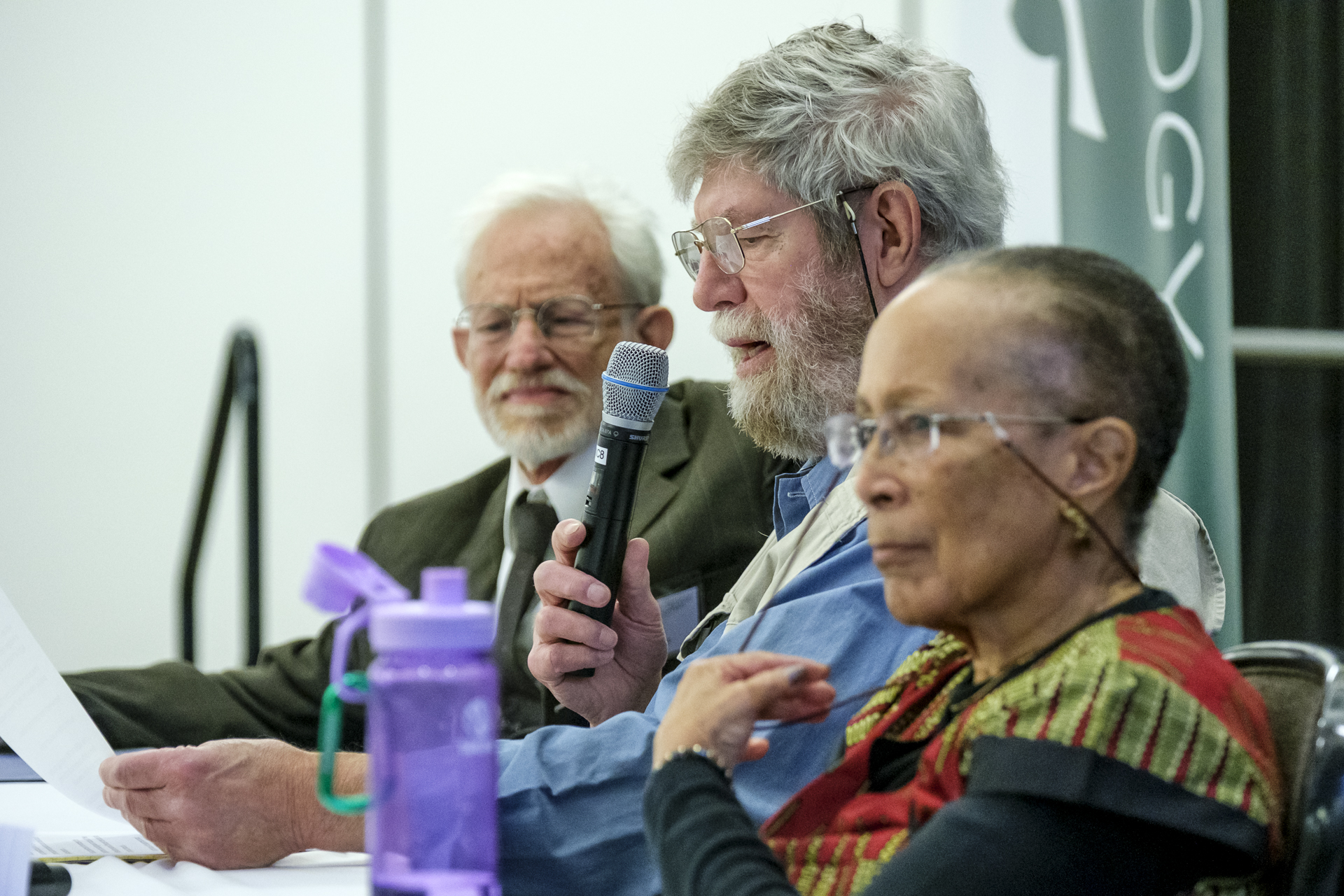
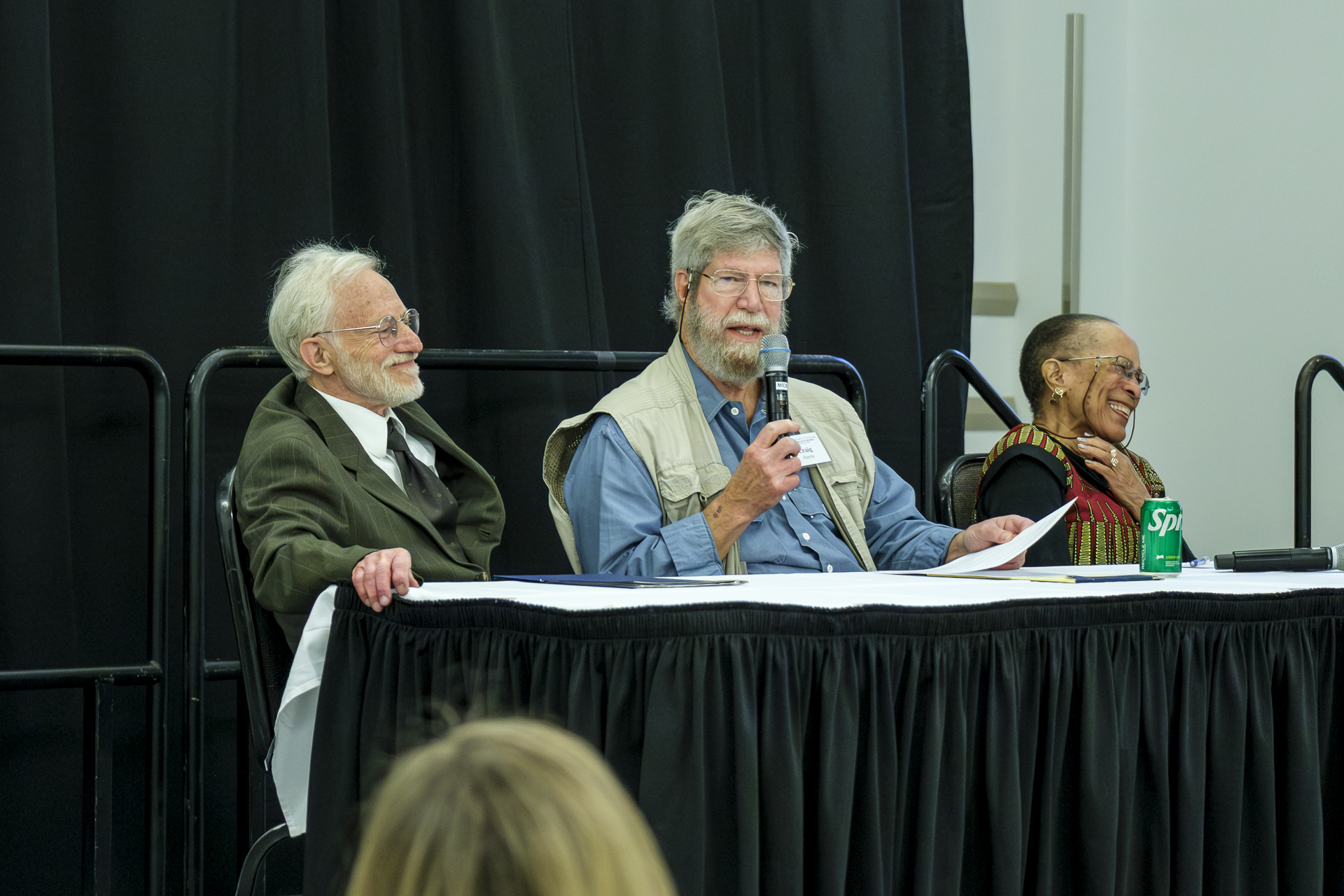 Arriving seven years after Dr. Kaplowitz, Dr. Harris listed four elements of the department that has been the most significant to him. MSU Sociology was a forerunner in rural sociology, showing the diversity between different types of rural communities, and between rural areas and areas of manufacturing and business regions.
MSU was also at the start of the studies in urban communities, Dr. Harris said. Highlighting issues of health, education, business within both urban and rural context, MSU was able to lead research on the burgeoning suburban issues.
At the same time, MSU increased its international involvement both through education and research. Graduate students from around the world came to East Lansing while MSU sociologists were working in vastly diverse cultures.
“Our research around the world contributed to the teaching here at home and moved the “land grant” mission to a broader “world grant” mission,” Harris said.
Harris also attributed MSU Sociology’s environmental efforts to the growth of sociological studies in the areas of demography, conservation and energy consumption.
He concluded with discussing Sociology’s collaboration with other departments throughout MSU to increase research in areas of human medicine, social work, resource development and outreach.
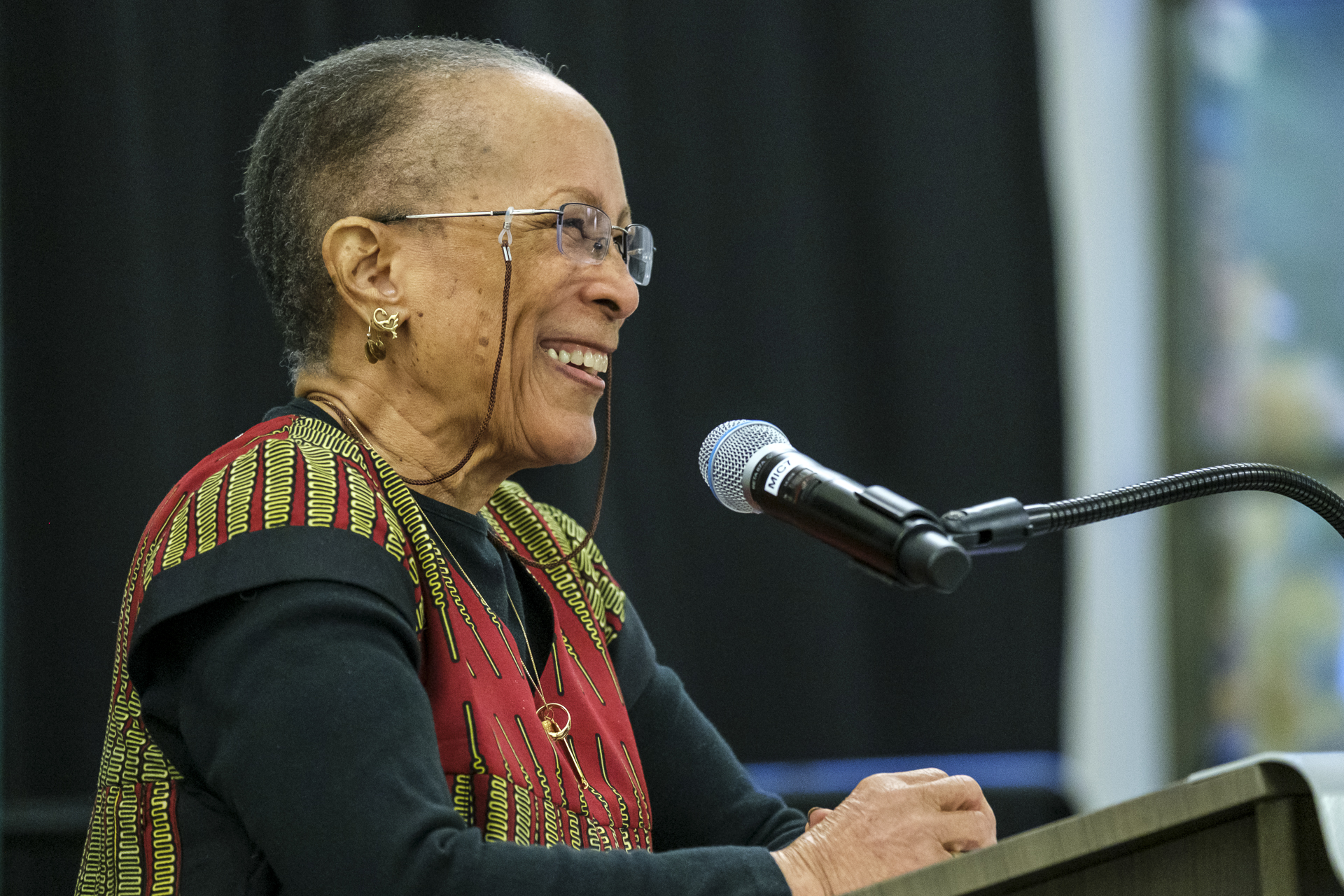 Dr. Dodson, who joined the department in 2002, highlighted the way the department not only changed with the times but also reflected those times with internal conflicts and growth.
“If we’re going to take a look at who we are now and project where we wish we can be going, we can not obscure the past,” Dr. Dodson said. “And as a historical sociologist, I think that is critical.”
She honored the memory of sociology pioneer Dr. Ruth Sims Hamilton as one of the “first to raise the fist” against inequities in society.
Dr. Hamilton (1937-2003) was an MSU Sociology faculty member for 35 years. She also had appointments with the African Studies Center, the Center for Latin American and Caribbean Studies, and the Center for Advanced Study of International Development.
In the mid-1980s, she founded the African Diaspora Research Program (ADRP) at MSU that served as a movement center for mentoring graduate students in Afro-Diasporic Studies, whose work Dr. Dodson continues.
“Ruth Hamilton sat with (the United Nations) to take a look at the totality of history, patterns of shipping, the African diaspora,” Dr. Dodson said. “It is so significant and she was right here on our campus.”
Dr. Dodson also recalled faculty tea and coffee meetings where the members would come together to discuss important issues in the world and in the department.
“We talked theory. We talked discipline. We talked about a lot of things but also asked questions,” she said.
The department has come a far way since its inception, she said.
“Sociology here in the big picture is the large categories in which we work and it’s good work,” Dr. Dodson said. “Each is good in a different contributing fashion to what it is human beings are doing in patterns of their social origins.”
“Michigan State University Sociology Department is a place where you can thrive, where you can expand and study a wide variety of issues and topics in sociology,” she concluded.