

Who Becomes Boundless? Migration, Privilege, and Entrepreneurship in a Multipolar World
Thu, September 17, 2026 12:30 PM - Thu, September 17, 2026 2:00 PM at Berkey Hall Conference Room 457
 BIOGRAPHY:
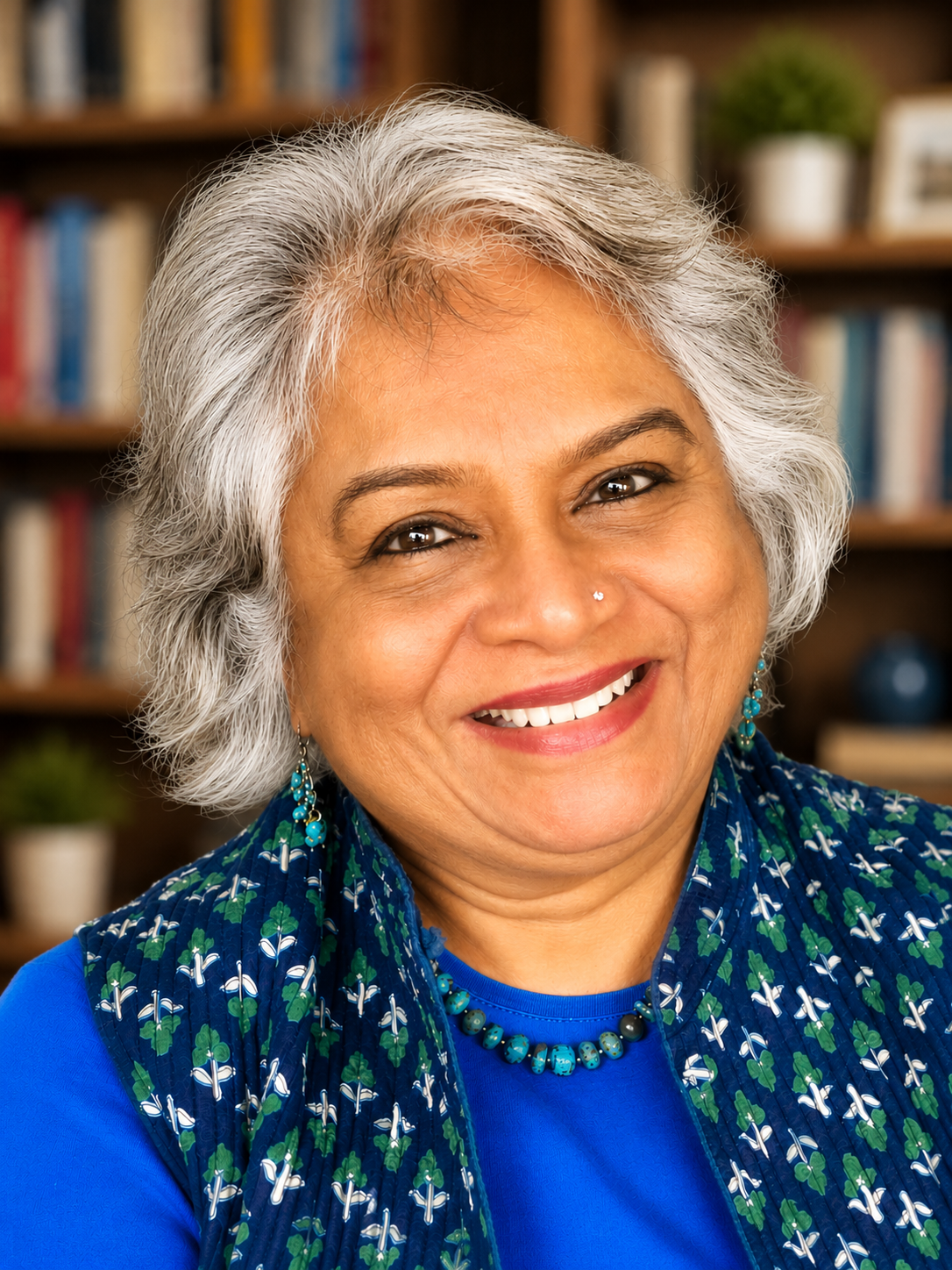
Manashi Ray is Professor of Sociology at West Virginia State University. As an ethnographer and sociologist, she studies migration-related developmental concerns, particularly the global reach of migrants’ practices and actions. Her work asks why people migrate, how gender impacts migratory patterns and settlement, and how migrants experience ‘transience’ in transnational space.
Her wide-ranging research includes transnational entrepreneurship among Indian migrants, network formation and analysis, women’s entrepreneurship, and refugee movements from East Asia to the US.
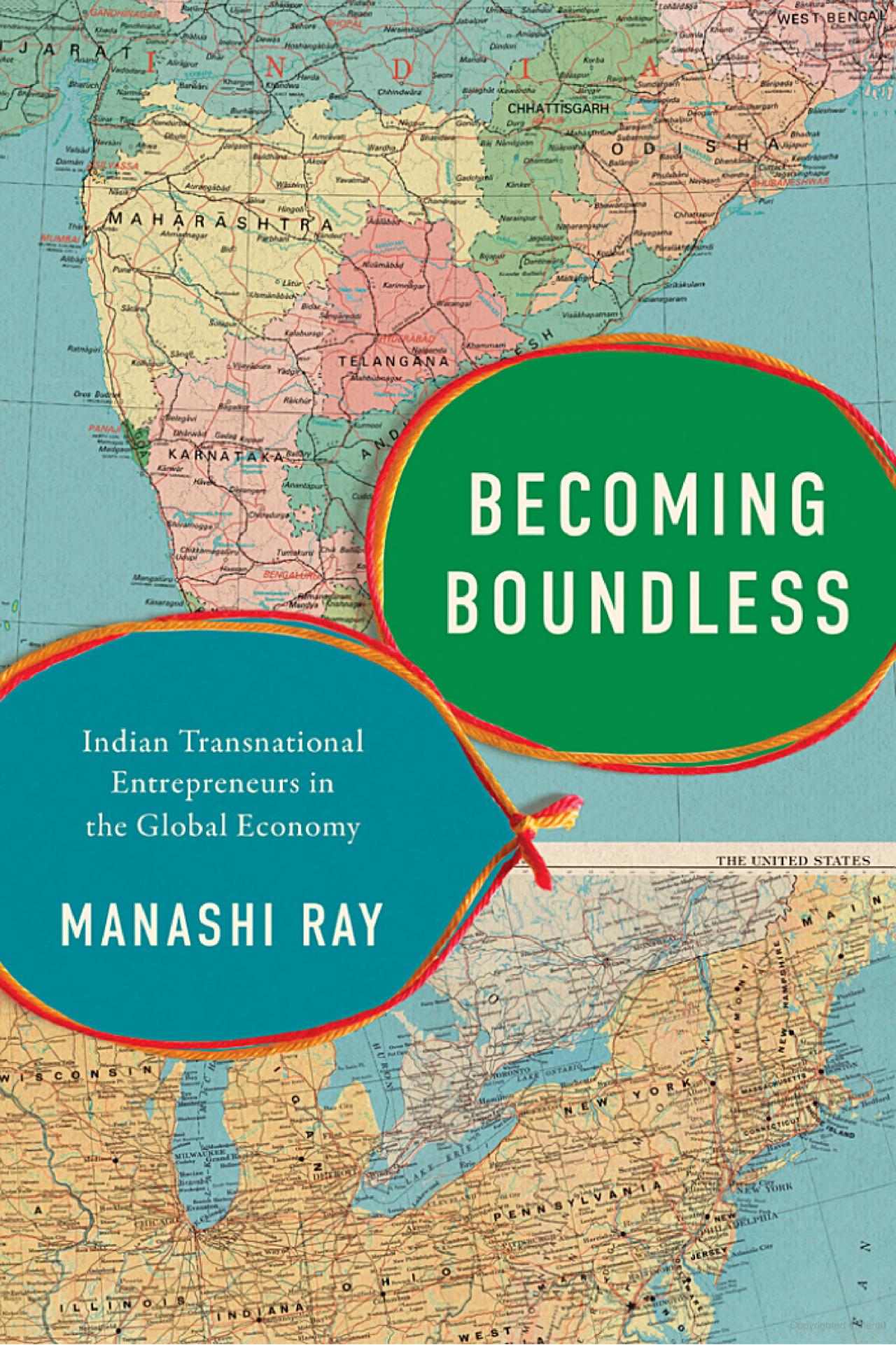
Her monograph Becoming Boundless: Indian Transnational Entrepreneurs in the Global Economy was published by Stanford University Press in 2026. Her current research explores climate-related mobility and (im)mobility and how green architecture affects mobility decisions.
 ABSTRACT:
What does it mean to become “boundless” in an increasingly interconnected global economy—and who has the resources to do so? My book challenges celebratory accounts of transnational entrepreneurship by examining how mobility, privilege, and inequality shape the ability to cross borders and create economic opportunities.
Drawing on multi-sited longitudinal ethnographic research with sixty men and women Indian entrepreneurs who migrated to the United States, I examine how entrepreneurs mobilize resources using global and social networks linking India and the US. Transnational entrepreneurs are active architects of an increasingly multipolar world order, creating new centers of economic and social power. Yet their agency is exercised within—and often reproduces—existing structures of inequality.
I unpack how categorical heterogeneities like caste, class, gender, education, skill level, social privilege, and visa status intersect in transnational spaces and facilitate access to migration opportunities, entrepreneurial networks, and economic and spatial mobility. I also examine how women entrepreneurs challenge assumptions of transnational entrepreneurship as a male domain, negotiating gendered norms and transforming constraints into opportunities to emerge as leaders in global ventures.
By analyzing transnational entrepreneurial networks, I offer a broader perspective on social forces and Indians who are reshaping India's place in an evolving world.
https://msu.zoom.us/j/99807817766