

Islands of Exclusion, Ecologies of Resistance: Colonial Environmental Regimes and Afro/Indigenous Resistance in Puerto Rico
Mon, April 20, 2026 10:30 AM at 457 Berkey and Zoom
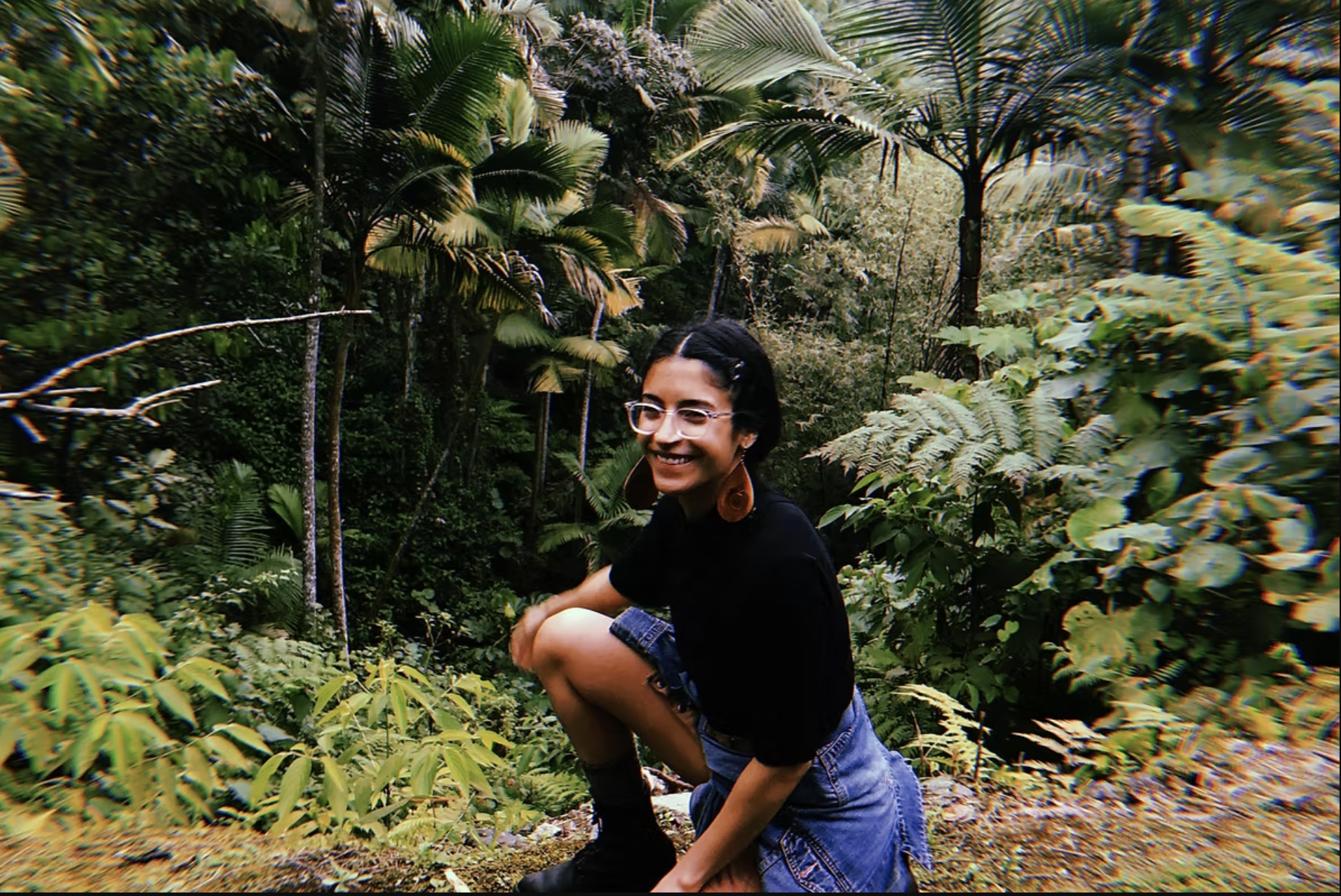 MSU Sociology PhD student Angélica De Jesús will present her dissertation proposal "Islands of Exclusion, Ecologies of Resistance: Colonial Environmental Regimes and Afro/Indigenous Resistance in Puerto Rico."
https://msu.zoom.us/j/94792014409
Abstract:
Immediate action is required to address intensifying and interconnected crises of climate change, diminishing environ/mental health, and cultural /biodiversity loss among human and non-human communities. Defining the scope, scale, and coordination of these required actions remains a key discussion in climate-focused work. In the United States (US), one of three top emitters of C02 pollution globally, frontline communities continue to discuss, develop, and implement climate action. Frontline communities in the US include Black/Afrodescendant peoples, Indigenous peoples and Tribal Nations, and local communities who endure disproportionate climate burdens but contribute little to climate crises. While frontline communities are vital to addressing environmental justice and meeting climate goals, they often experience barriers to climate autonomy.
This is true of frontline communities in US territories that exist within a complex set of legal, eco-social, historical, and cultural contexts that structure climate crises and the means to address them. In Borinkén, also known as the colonial territory of Puerto Rico, frontline communities and their collaborators continue to take action to address climate adaptation, including the creation of protections for fishermen and coastal zones. However, barriers remain for Black, Afro-descendant, Afro-Indigenous, Indigenous Boricuas who face exacerbating and interconnected crises of climate change and racist (settler) colonialism. The systems of power that structure these interconnected crises across time and the actions Afro and Indigenous Boricuas take to address and transform these conditions are the major topics of this dissertation.
This dissertation is structured by three sets of questions related to human-forest relationships Borinkén: (1) What are the major forest management regimes deployed by Spanish and US governments between 1890 - 2010? To what extent did these regimes structure dominant narratives about human-forest relationships? (2) How does tracing lineages of Black and Afro/Indigenous Boricua ecological kinship & knowledge systems across time change narratives of environmental history in Borinkén? What ways have Black and Afro-Indigenous Boricuas enacted traditional ecological kinships as means of refusal against racist, sexist, (settler) colonial environmental regimes? (3) How do Afro-Indigenous ecologies of refusal and resistance increase climate adaptation capacity? What actions are required to support their vital work today?
In response to these sets of questions, I braid together Black and Indigenous Feminist Environmental methods and Sociology of Science & Race/Ethnicity methods to complete a discourse analysis focused on archival data and documents from legal, cultural, and environmental institutions that have served as sources of forest-related or natural resource-related expertise and management from the 1890s to 2010s. These institutions include: the US Supreme Court, US Congress, the Smithsonian, the USDA Forest Service, the USDA agricultural accounting documents, the Instituto de Cultura Puertorriquena, the Environmental Protection Agency, the US Navy and affiliates, University of Puerto Rico system and its archives, Puerto Rican municipal offices, Library of Congress, forestry, and the land/agricultural bodies of the Spanish government.
By analyzing forestry specific documents and data created, categorized, and maintained by these institutions, I focus on the impact of these institutions on Black and/or Indigenous forest stewardship in the past and link these impacts to climate adaptation capacity among frontline communities today. I also provide recommendations for supporting contemporary climate adaptation work among black and or indigenous peoples in mountainous regions of Puerto Rico. I close this dissertation with a meditation on Black and Indigenous kinship systems as radical conservation methods that refuse narratives of erasure and exclusion in the wake of dual apocalypses of chattel slavery and (settler) colonialism and situate these eco-resistances in hemispheric dialogue with Black and/or Indigenous climate justice movements across the globe.