New research published by MSU College of Social Science faculty shows that university students may be directly harmed by decisions that appear to prioritize institutional finances over students' wellbeing.
But increased administrative transparency and added resources to address students’ health, safety and well-being could go a long way to return students’ trust in their higher education institution, according to “Students’ experienced harm at higher education institutions: A qualitative study” published in the journal Innovative Higher Education.
“As higher education institutions have the responsibility of safeguarding students from multiple forms of harm, the significance of understanding and fostering student trust becomes important,” wrote the researchers. “Our study contributes valuable insights into the specific harms students encounter in academic environments. This research underscores the urgency of comprehending, fostering, and restoring trust to safeguard the wellbeing of students within the higher education landscape.”

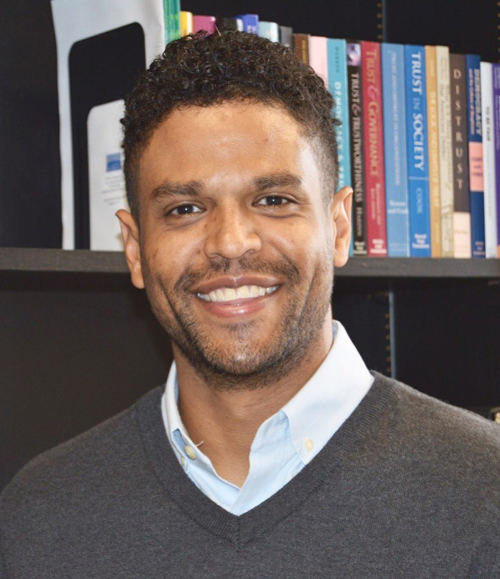
MSU researchers participating in the study were MSU Sociology Associate Professor Sarah Prior and MSU Criminal Justice Associate Professor Joseph A. Hamm. Lead author is Dr. Amanda Isabel Osuna (University of Tampa) and an MSU CJ alumna, as is coauthor Kathleen Darcy (University of Michigan-Dearborn).
The researchers analyzed the experiences of 39 students from a large Midwestern university to provide valuable insight into the nature of harm that students encounter in academic environments.
They found harms that were tied directly to university decisions relating to a range of issues including sexual violence, mental health, financial issues and decisions relating to COVID-19:
For instance, five students said the lack of institutional response to sexual violence was an additional source of harm.
“Our students identified the harms that stemmed from these responses, including feeling discouraged, frustrated and even severe mental health impacts,” the researchers wrote. “This insufficient response not only directly harms students but also undermines the trust that students traditionally invest in these institutions. This carries practical implications, potentially resulting in a compromised institutional reputation, ultimately negatively impacting the university's brand and potentially threatening enrollment numbers.”
Students related racialized incidents as causing harm as well, including incidents of anti-Indigenous and anti-Black rhetoric.
Overall, the students “thought that university decisions that prioritized profits, tuition, or branding might have conflicted with their ability to keep students safe,” they wrote.
Because students trust universities to take care of them academically, physically and mentally, this trust opens them to increased vulnerability should the university betray them.
“The student role is defined by dependence on higher education institutions and unequal power relations with university personnel,” they wrote. “Individually and collectively, the choices of university staff, faculty, and administrators have a significant impact on students' experiences of college and may—intentionally or not—lead to harm.”
Researchers found that universities can mitigate this harm by opening dialogue and collaborating with students, treating students seriously, and keeping them well-informed. They can create safe spaces, amplify student voices, respond to student needs and align system responses to address harmful incidents.
“Promoting safety and preventing harm requires a collaborative, multilevel effort involving students, staff, faculty and administrators,” the researchers wrote.